
Understanding Crypto POS Systems
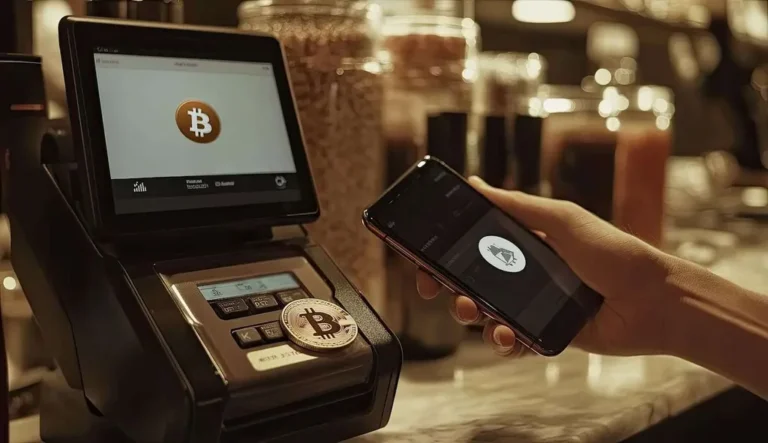
Crypto POS System is a modern payment processing solution that enables businesses to accept cryptocurrency as a form of payment from their clients. This advanced tool enables you to integrate crypto coins into a standard payment scheme, providing a convenient and safe option to perform transactions with digital currencies. Such a system consists of software and hardware parts. Software elements enable firms to generate individual QR codes or payment addresses corresponding to the sum of each client’s payment. The client may then utilize a cryptocurrency wallet to scan the QR code or send assets to the specified address. While the hardware may differ from one setup to another, it typically consists of a device such as a smartphone, tablet, or POS terminal. It is an interface between the firm and the buyer. You may synchronize the POS with actual payment terminals or software for commercial portals to simplify the adoption of crypto operations alongside standard payment methods.

Turnkey Brokerage Solution For Your Business
Get the most profitable fully licensed fx/crypto brokerage software or ready-to-operate business in 48 hours. Best-in-class web & mobile trading platforms, sales-driven CRM, full integration with MT4/5, and 150+ payment providers.
How Does a Crypto POS System Function?
Payment operations utilizing a POS system are simple and intuitive, making it easy even for first-time users to follow the process. Completing a transaction typically involves just a few quick steps:- At checkout, the buyer chooses a preferred digital asset from the available payment options.
- The POS system creates a QR code for the transaction, which includes the amount in cryptocurrency.
- Using a crypto wallet application, the buyer scans the code to begin the transaction.
- The transaction enters the blockchain network to pass verification. Today, cryptocurrency processing usually takes a few seconds to a couple of minutes, depending on the type of cryptocurrency and the current network activity.
- Once approved, the seller gets the digital assets. The funds can be stored in a crypto wallet or automatically converted into fiat currency if the POS system offers that functionality.
Types of Crypto POS Systems
There are several options for crypto point of sale systems, allowing each business to select the optimal solution. Let’s look at the key categories.- Mobile and tablet POS. Designed for freelancers and small businesses, this type of POS system operates directly on smartphones or tablets. It requires only an app to manage cryptocurrency processing, eliminating the need for traditional hardware terminals. Their main advantage is convenience. The system is portable, easy to set up, and always accessible.
- Desktop POS systems. Such solutions are installed on computers and help control inventory, provide sales reports and track client information. They are suitable for larger firms with complex requests.
- Dedicated crypto POS. These are standalone physical terminals built to support fast and secure cryptocurrency transactions. They usually include a display screen, Internet or Wi-Fi connectivity, a keypad, and components for card handling.
- Online crypto POS systems. They allow you to accept payments in digital assets on websites. Such solutions can be synchronized with well-known e-commerce software. This system will enable you to sell products online and receive payment in virtual assets.
- Web-crypto POS. Such a solution is used by online platforms or businesses that want to accept cryptocurrency as a payment method. All you need is a device connected to the Internet.
Benefits of Using a Crypto POS System
Many companies operating in the e-commerce area are thinking about adopting a crypto terminal to increase turnover. Let’s consider the main profits of such systems.- Expanded payment options. Accepting cryptocurrency allows businesses to offer greater payment flexibility, attracting customers who prefer using digital currencies and reaching new market segments in the process.
- Minimum transaction fees. Operations with digital assets have a lower commission than classic payment methods such as credit cards, which reduces overall expenditures.
- Faster settlements. Crypto transactions are faster than standard payment methods, which allows firms to replenish their capital more quickly.
- Worldwide reach. Cryptocurrency allows you to perform operations in different regions without worrying about exchange rates or international commissions.
- Safety and prevention of fraudulent schemes. Operations with virtual assets are protected by cryptographic algorithms, which decrease the risk of fraud, chargebacks, and hackers accessing confidential information.
- Expanding firms’ prospects. As virtual cash is becoming more and more popular, early implementation of crypto POS provides firms with a competitive advantage.
- Efficiency of use. Crypto POS machines suggest extended functionality, including automated registration and fast conversion. This enables retail businesses to streamline administrative processes and reduce manual operations, thereby minimizing errors.
Challenges and Considerations
As we can see, crypto terminals bring firms a lot of profits, but when interacting with them, there are some downsides that you should remember.- Regulatory framework. Cryptocurrency laws vary between regions and change frequently. Study all the rules and regulations before starting work with a crypto point of sale system.
- Volatility. The value of crypto coins is unstable. The payment in Ethereum that you received yesterday may lose its value today. You can select a solution that converts digital assets into the selected currency to cut risks.
- Buyer mistrust. Although we live in an era of cryptocurrency growth, not everyone switches to such payment methods. Be prepared to consult clients and suggest payment alternatives to ensure everyone’s comfort.