Understanding RWAs
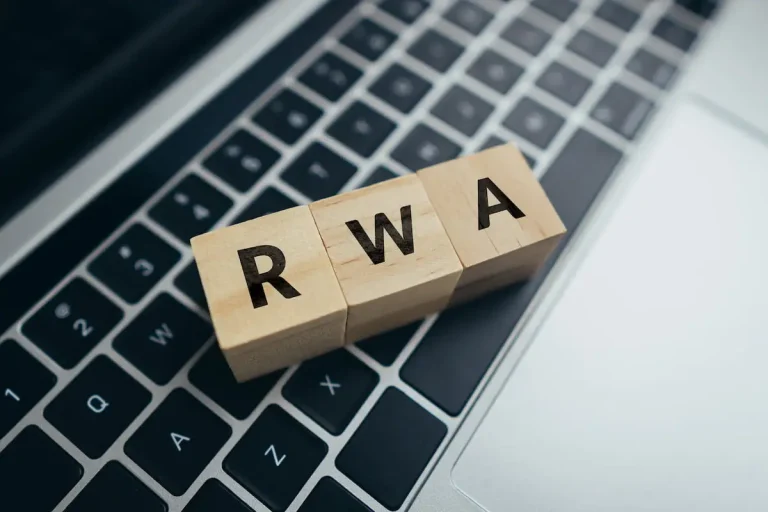
RWAs are tangible or intangible assets with intrinsic value and exist in the physical world. This category includes automobiles, precious metals, real estate, property rights, copyrights, and agreements. Unlike virtual property, RWAs have a physical embodiment or real-world benefit. They also boast extensive experience in the traditional economic industry, serving as collateral, investment vehicles, or resources designed to increase value. Integrating mainstream assets into blockchain and decentralized finance (DeFi) has been revolutionary. Tokenization allows tangible resources to be presented in the form of tokens on the blockchain so that they can be quickly sold, bought, or exchanged on cryptocurrency exchanges and other portals.
Turnkey Brokerage Solution For Your Business
Get the most profitable fully licensed fx/crypto brokerage software or ready-to-operate business in 48 hours. Best-in-class web & mobile trading platforms, sales-driven CRM, full integration with MT4/5, and 150+ payment providers.
How Blockchain Facilitates Tokenization of Real World Assets?
Tokenization is possible by applying smart contracts, which are self-executing agreements whose terms are encrypted in code. Such contracts are based on the blockchain and are able to finish operations automatically after the selected terms are matched. Regarding resource tokenization, smart contracts are key in transforming physical assets into virtual values. The tokenization procedure starts with selecting an asset representation structure, which shows how the property will be presented in the system. The most famous options include fractional ownership, where an asset is divided into smaller elements, and full ownership, where each token contains a whole property. The asset is modeled after selecting a presentation model, and its unique code is checked to ensure it complies with technical norms and safety rules. After modeling and control, deployment to the blockchain begins. It involves generating an out-and-outer token for the asset and synchronizing it with a suitable smart contract. Such an agreement tracks asset token ownership, transfer, and sale. There are various kinds of security for property, including real estate, works of art, and other goods.Why Do Real World Assets Matter in DeFi?
Tokenized real world assets have the opportunity to revolutionize decentralized applications. DeFi is, in many ways, the optimal example of how virtual finance can simplify economic activity. Many modern resources are not part of the blockchain system, but they can experience all the profits of a distributed ledger to many resources not currently on the blockchain. Therefore, RWA crypto provides growth in the virtual resources area by allowing the use of many assets that are not part of the blockchain ecosystem through blockchain rails. Applying a distributed ledger to property currently outside digital assets will create a DeFi system with optimal liquidity parameters, maximum transparency, and limited systemic risks. It will provide a fairer space without any conflict of interest. However, implementing RWAs in DeFi has some regulatory troubles and requires robust asset support and effective custody mechanisms.
Benefits of Real World Assets Tokenization
There are many potential profits of tokenizing RWAs utilizing blockchain technology. Let’s consider the main advantages of this solution:- Tokenization provides partial ownership of an asset, which positively affects liquidity. Now, small participants may purchase and trade asset securities previously inaccessible or too significant for investment.
- Such assets can be traded on worldwide websites 24/7, guaranteeing maximum accessibility and democratization of investment potential.
- Tokenization reduces the need for middlemen, streamlines processes, and potentially cuts expenditures.
- All operations are displayed in a decentralized registry, which makes them as secure and transparent as possible. It raises confidence in assets and decreases the risk of fraudulent manipulations.